Start with the geometry.
Compare the loading path, usable deck and selection questions behind six core heavy commercial trailer families.
Choose a family to examine.
These pages support a shortlist. Verified ratings, measured load data and route-specific review remain necessary.
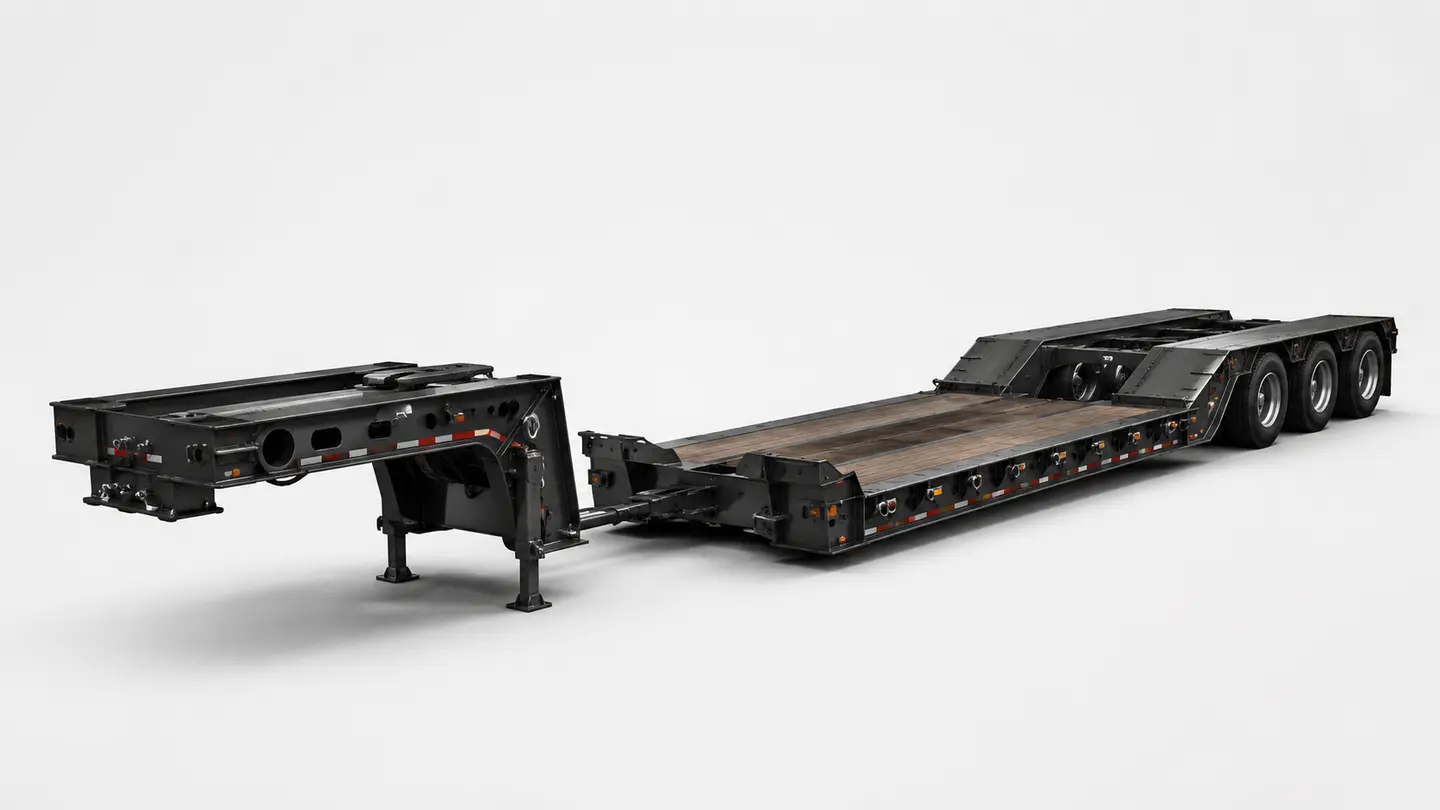
RGN / Detachable Gooseneck
An RGN creates a low main well and a front loading path after the gooseneck is detached. It is a common starting point when a self-propelled machine must be driven onto the deck and loaded height matters.
Open family guide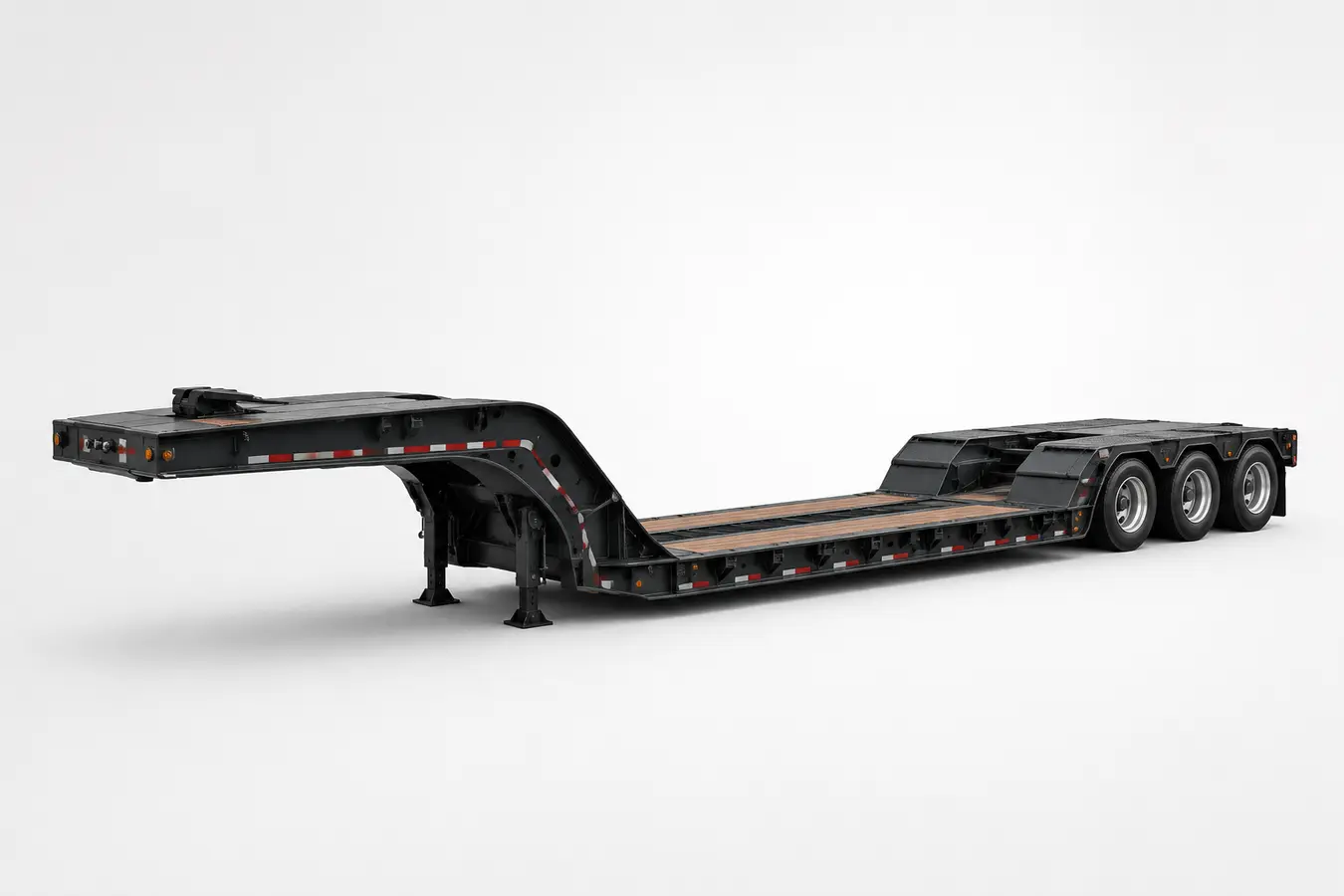
Lowboy / Fixed-Neck Lowbed
A fixed-neck lowbed keeps a low carrying deck without a detachable front connection. It can suit equipment that is loaded by rear ramps, lifted into position or supported by a dedicated loading setup.
Open family guide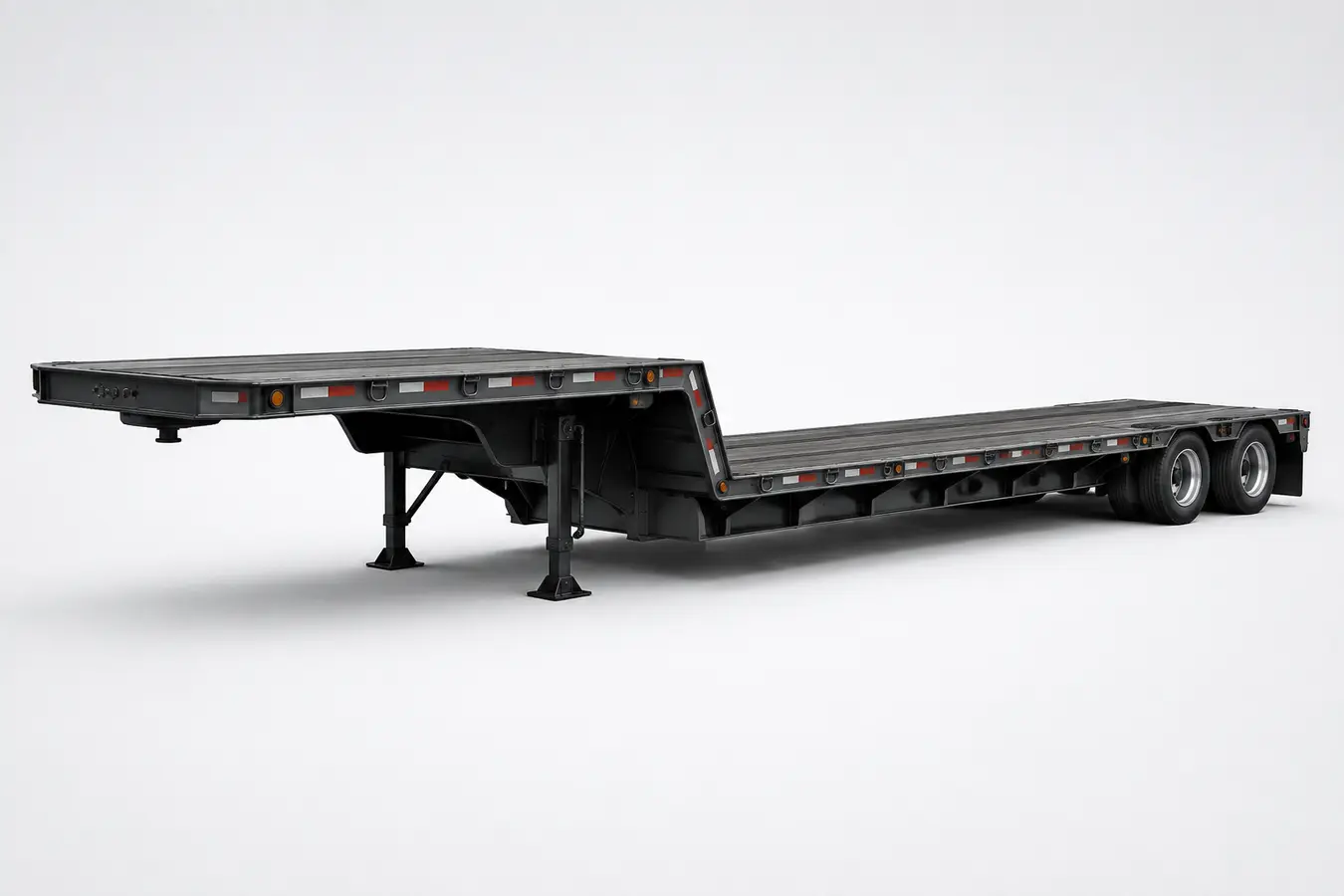
Step Deck / Single Drop
A step deck drops the main deck behind the gooseneck, creating more vertical room than a straight flatbed while retaining an open, accessible platform.
Open family guide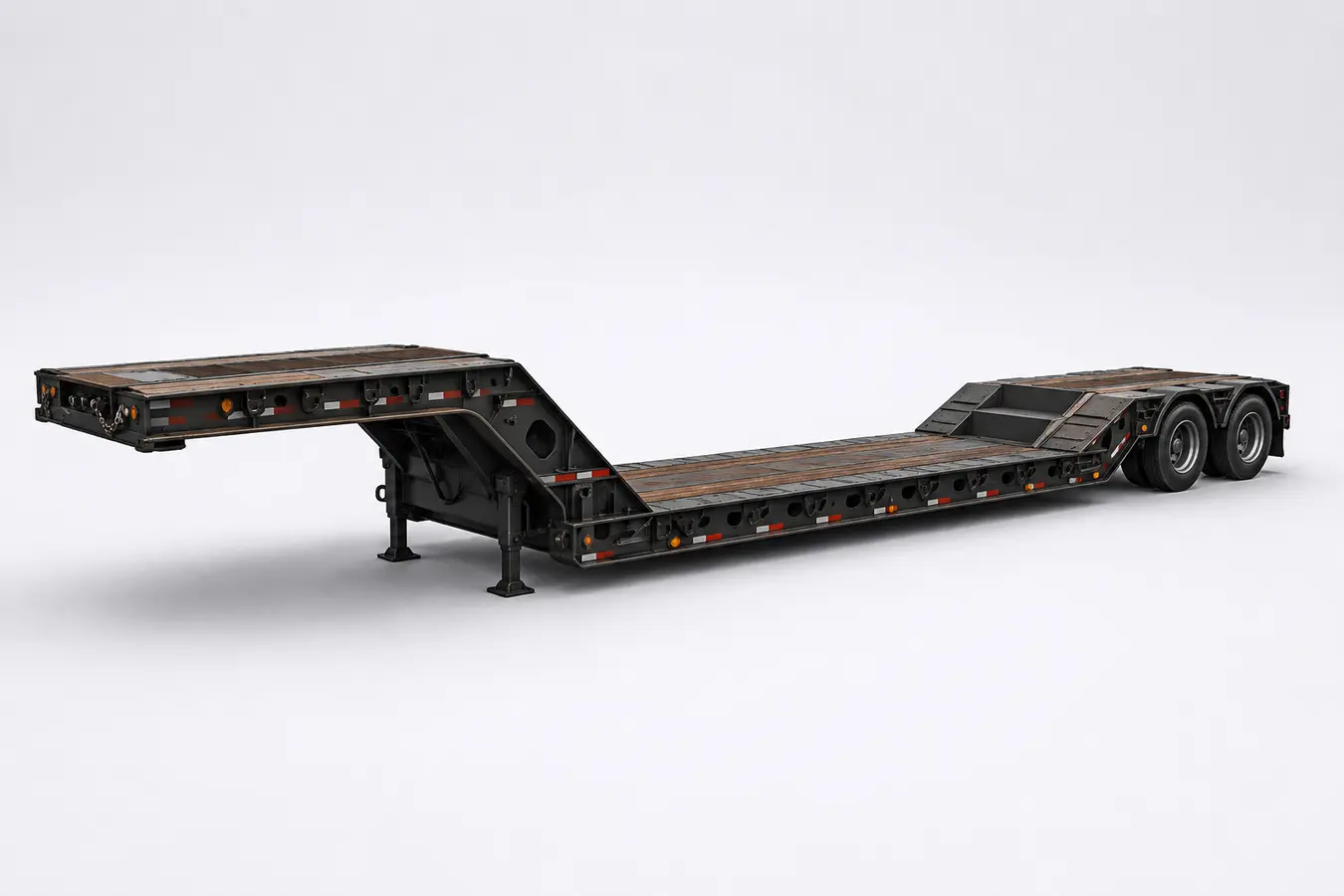
Double Drop
A double-drop trailer creates a low central well between raised front and rear deck sections. It is a useful direction when the load is tall and can be placed into a defined well.
Open family guide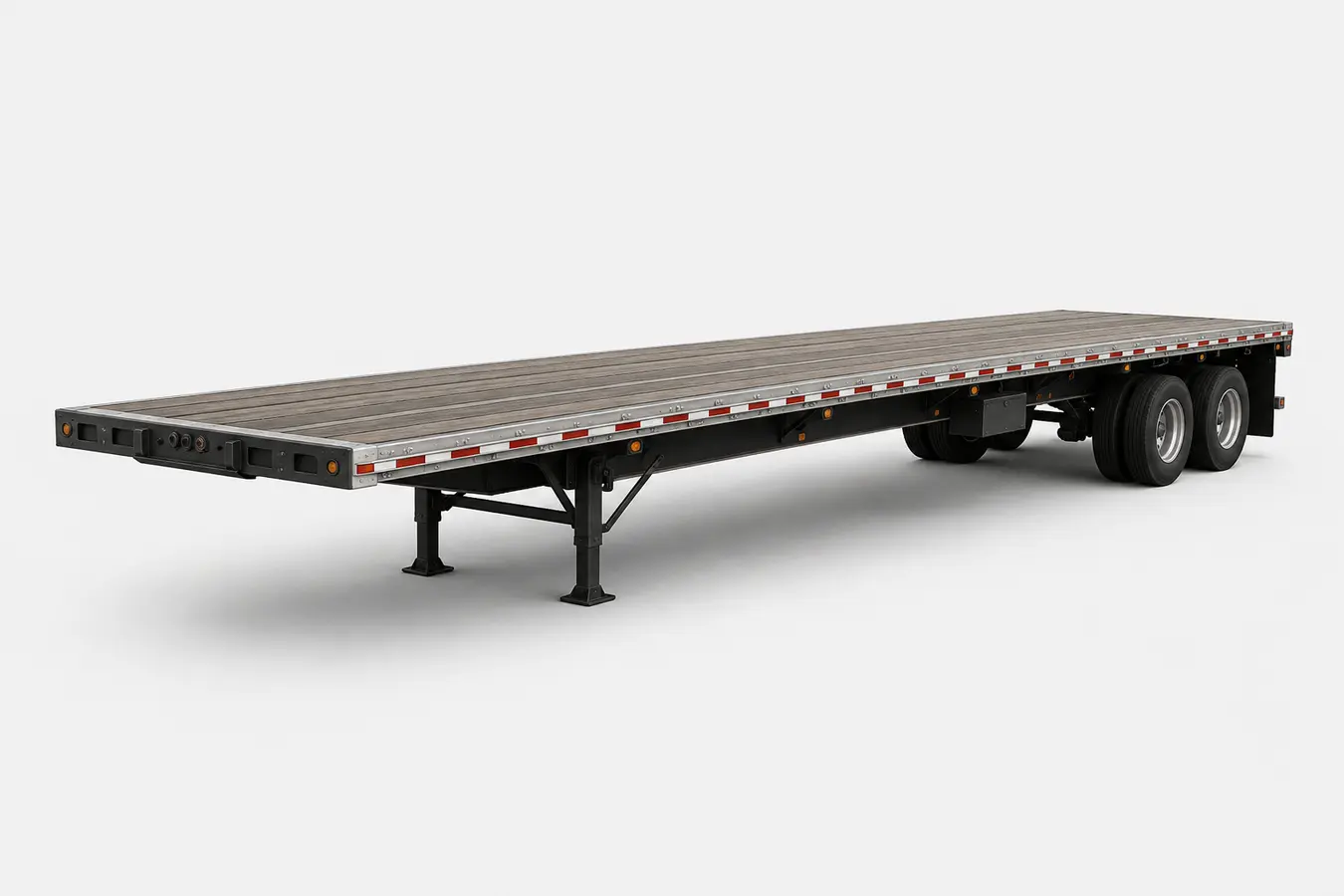
Flatbed
A flatbed provides a continuous open deck and straightforward access from the sides, rear and above. It is often the simplest platform when load height and specialized loading geometry are not the controlling constraints.
Open family guide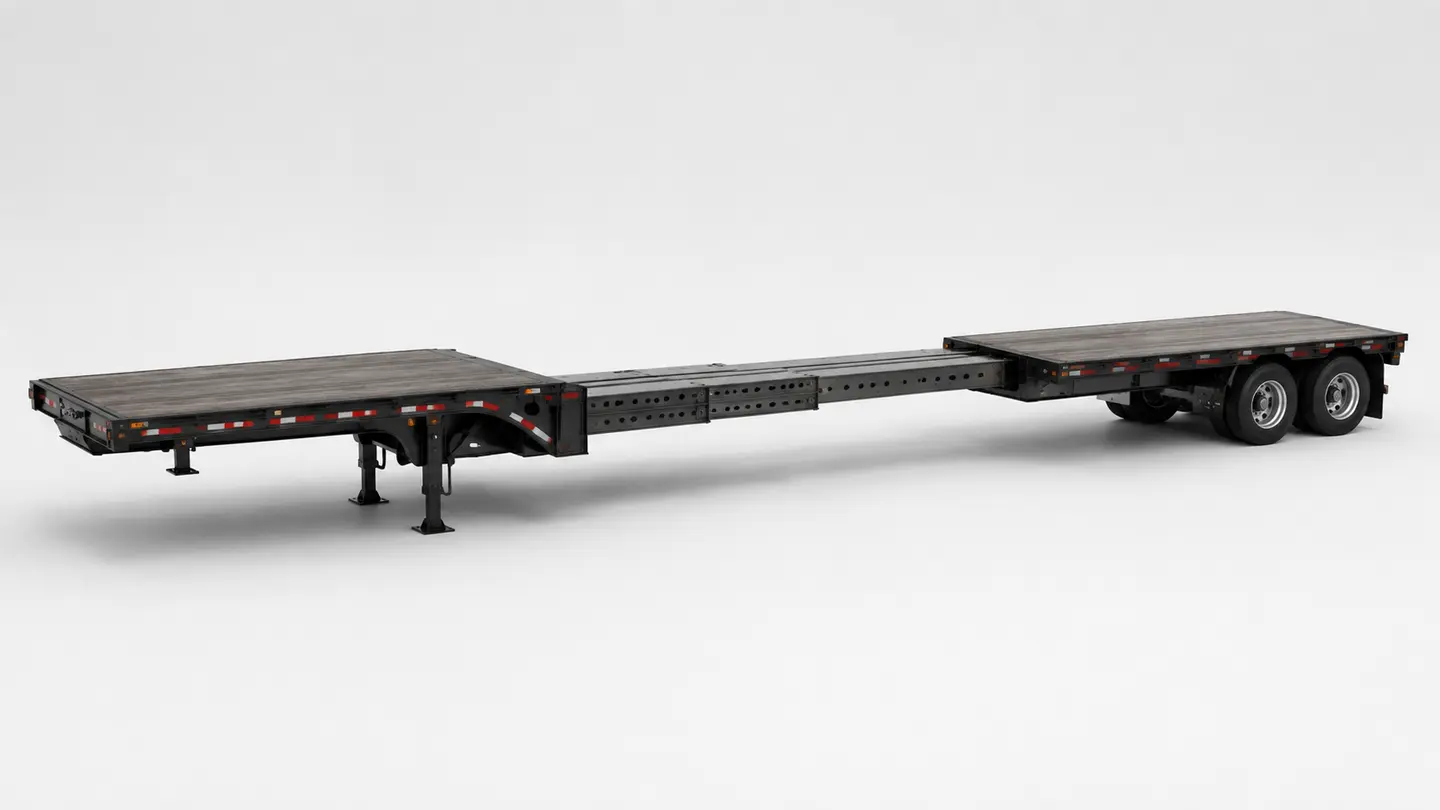
Extendable Trailer
An extendable trailer lengthens its carrying surface for loads that exceed a standard deck. It is a starting point for long freight, not a substitute for checking support locations, deflection and route constraints.
Open family guide